Refillable cleaning for goodhearted

Drop by drop to a cleaner world

Sustainable range
Easy drops lead to a greener lifestyle

We crafted sets that are nice to the Earth and help folks everywhere.

How it works


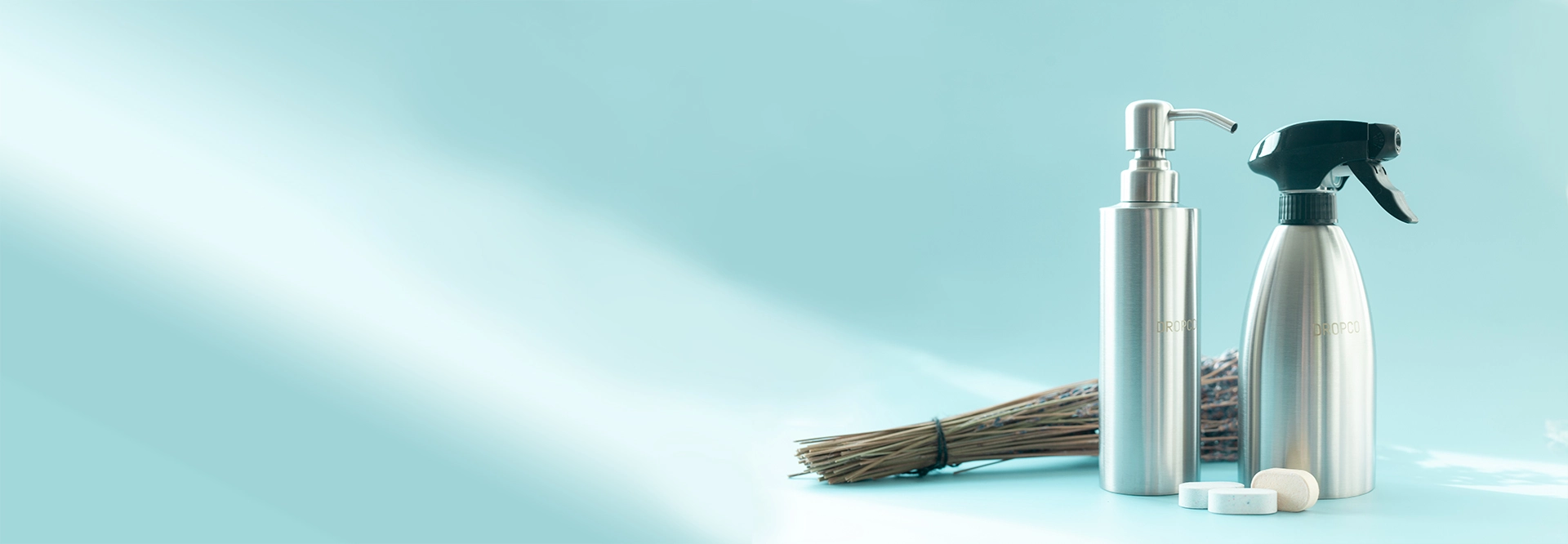
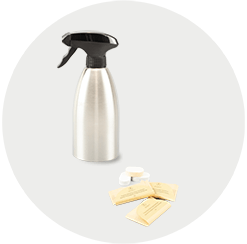
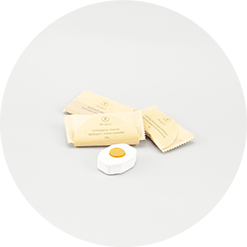
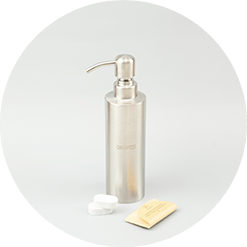
Eco-refills in a stainless bottle. No plastic. No hassle.
1. Drop the tablet into the bottle.
2. Fill with warm water (let it dissolve fully — usually 5–30 min).
3. Shake gently to mix.
4. Spray / wash — you’re done. 🌿
Dermatologist-friendly, gentle on skin, and septic-safe.
Stainless steel containers
Fast dispatch
Simplified storage
Reduced plastic waste
Lower CO2 emissions
Biodegradable ingridients

Your refill funds real ocean clean-up!
Every Dropco refill helps remove 2 plastic bottles from the ocean, funded through our Pacific Tide Environmental Foundation — a CRA-registered charity established by Dropco.


We issue official tax-deductible donation receipts for direct contributions made to the Foundation.

Together, we support ocean clean-up and recycling initiatives that keep plastic out of our waters and communities.

WHAT IS THE SINGLE USE PLASTIC ?

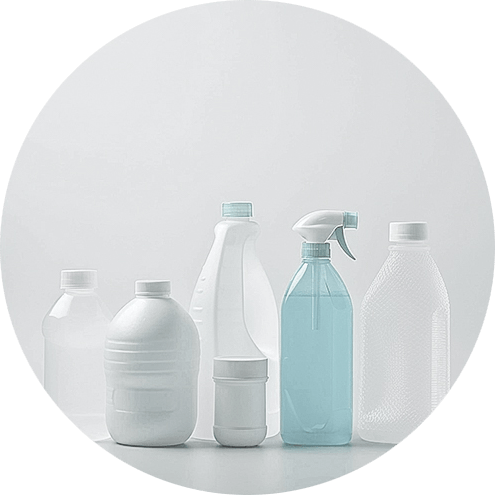
Single-use plastic refers to a material primarily derived from fossil fuels, designed to serve a brief purpose for end consumers before being discarded. Common examples that  include cleaning solutions containers are: All-purpose cleaners, Dish washing liquids, Laundry detergents, Carpet cleaners, Toilet bowl cleaners etc.
Initially invented in the 19th century, single-use plastic gained widespread usage in the 1970s, replacing traditional materials like paper and glass due to its cost-effectiveness, durability, and lightweight nature. Astonishingly, since the 1950s, humanity has produced a staggering 8.3 billion metric tons of plastic, with half of this production occurring in just the past 15 years.

What is the single use plastic ?

Single-use plastic refers to a material primarily derived from fossil fuels, designed to serve a brief purpose for end consumers before being discarded. Common examples that  include cleaning solutions containers are: All-purpose cleaners, Dish washing liquids, Laundry detergents, Carpet cleaners, Toilet bowl cleaners etc.
Initially invented in the 19th century, single-use plastic gained widespread usage in the 1970s, replacing traditional materials like paper and glass due to its cost-effectiveness, durability, and lightweight nature. Astonishingly, since the 1950s, humanity has produced a staggering 8.3 billion metric tons of plastic, with half of this production occurring in just the past 15 years.

WHAT IS THE SINGLE USE PLASTIC ?

Single-use plastic refers to a material primarily derived from fossil fuels, designed to serve a brief purpose for end consumers before being discarded. Common examples that  include cleaning solutions containers are: All-purpose cleaners, Dish washing liquids, Laundry detergents, Carpet cleaners, Toilet bowl cleaners etc.
Initially invented in the 19th century, single-use plastic gained widespread usage in the 1970s, replacing traditional materials like paper and glass due to its cost-effectiveness, durability, and lightweight nature. Astonishingly, since the 1950s, humanity has produced a staggering 8.3 billion metric tons of plastic, with half of this production occurring in just the past 15 years.

What is microplastic?

Microplastics are tiny pieces of plastic debris that are less than 5 millimeters in size, often originating from the breakdown of larger plastic items or directly manufactured as small particles. They find their way into our oceans, soil, and air, infiltrating ecosystems and threatening wildlife.As these microplastics enter the food chain, they can be ingested by marine life and eventually consumed by humans. Recent studies suggest that microplastics may harbor harmful chemicals, such as additives and pollutants, which can leach into the bodies of animals and humans upon ingestion.

WHAT IS MICROPLASTIC ?

Microplastics are tiny pieces of plastic debris that are less than 5 millimeters in size, often originating from the breakdown of larger plastic items or directly manufactured as small particles. They find their way into our oceans, soil, and air, infiltrating ecosystems and threatening wildlife.As these microplastics enter the food chain, they can be ingested by marine life and eventually consumed by humans. Recent studies suggest that microplastics may harbor harmful chemicals, such as additives and pollutants, which can leach into the bodies of animals and humans upon ingestion.

I love how effective and eco-friendly this cleaning brand is, plus the stainless steel bottles are a big win!

Majda C

Diana R

Victoria D

Select your set
Fast dispatch
A happy planet is a happy you!